Shared Electric Cars: Benefits, Limits and Key Tips
Electric cars are gradually entering the scope of car sharing services. Compared with petrol cars, they produce no direct exhaust emissions while driving and are quieter, making them more friendly to the urban environment. However, range, charging and driving habits all differ from petrol cars. This article begins with the advantages, then covers trip planning, charging arrangements and driving considerations, to help you make a sound judgement before you drive.
By 車聚 editorial team Published About 9 min read
Main Advantages of Shared Electric Cars
The most noticed advantage of shared electric cars is that they produce no exhaust emissions while driving. In densely populated cities, vehicle exhaust has a clear impact on air quality, and electric cars help reduce pollutants along roadsides. This benefit is especially worth noting for short, frequent urban trips. When several people share the same car, the number of cars that would otherwise be bought individually can also be reduced, so overall resource use may become more efficient.
Electric cars run more quietly, with noticeably less noise than petrol engines. For residents of housing estates and commercial streets, this is a real benefit. In terms of construction, electric drive systems usually have fewer parts, and routine maintenance items are relatively simple, which makes maintenance easier to arrange for a shared service. However, the environmental benefit varies with the source of electricity and how the vehicle is used, so it cannot be generalised.
From the perspective of drivers, shared electric cars also have practical merits. Acceleration from a standstill is smooth, and the driving feel differs from that of a traditional car; some users find city driving more relaxed. Electric cars are also usually easier to park and charge in designated areas, which makes short-term use convenient. Before choosing, it is best to understand your daily routes and purpose of travel, then weigh whether these advantages suit your needs.
Driving Range and Trip Planning
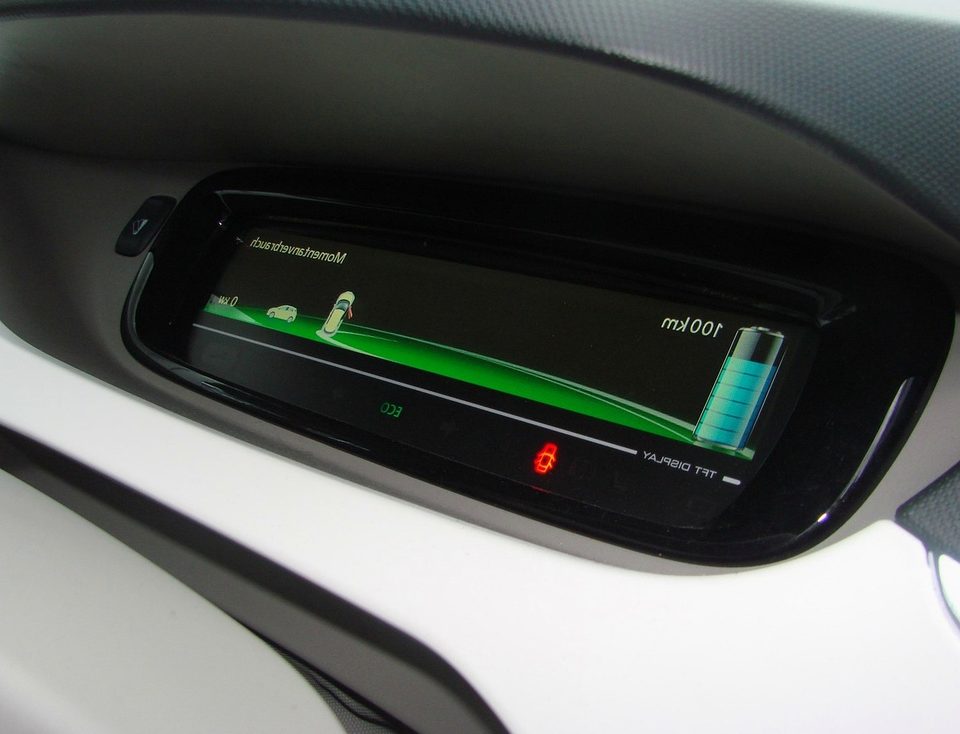
Driving range is a factor you must watch before using a shared electric car. The distance each electric car can travel depends on battery capacity, model, weather, road conditions and driving style, so it should not be estimated from the car's appearance or advertised figures alone. Cold weather, prolonged use of air conditioning or heating, and frequent hard acceleration and braking can all make the actual range shorter than expected. Before setting off, check the remaining charge shown on the vehicle and leave a sufficient margin.
When planning a trip, it is advisable to first list the destination and any stops along the way, then estimate the power consumption for the whole journey. If the route involves hilly roads, expressways or long return trips, consumption is usually higher, so allow for more charge. On the other hand, short urban trips are generally easier to predict, but you should still watch for traffic congestion, since at low speeds or in stop-start conditions, consumption may differ from what you expect.
To reduce the chance of a trip being affected by low battery, consider planning in stages, arranging to charge along the way or switching to another mode of transport. If your itinerary is uncertain, getting into the habit of checking the remaining charge at any time is safer than only noticing a low battery at the last moment. In short, understanding the limits of driving range clearly and arranging ahead of time is an essential part of using shared electric cars.
Distribution and Use of Charging Stations
The distribution of charging stations directly affects how convenient shared electric cars are to use. In city centres and main commercial areas, charging facilities are generally more concentrated, but in suburban or more remote areas, there may be fewer options. Before driving, check whether there are charging points along your route or near your destination, so you do not find out on arrival that it is hard to recharge. Some charging points may have limits on the number of users or parking spaces, so pay attention to these when using them.
When using a charging station, first check whether the charging connector is compatible with your vehicle, and follow the instructions to connect it. Stay nearby while the vehicle charges, and keep an eye on whether charging is proceeding smoothly to avoid power interruptions or loose connections. Once charging is complete, move the vehicle as soon as possible so the next user can make use of the charging spot. These habits protect your own safety and also help the whole sharing system run smoothly.
Because the location and number of charging points vary from district to district, users can check the charging information provided on the service platform before setting off, and stay alert to the latest facility status. If you encounter equipment faults or find a charging point already occupied, it is best to look for another one as the situation requires, and keep your schedule relaxed. For drivers who often get around the city centre, getting familiar with the layout of nearby charging points is a practical habit.
- Check charging points along your route and near your destination before setting off
- Confirm that the charging connector is compatible with your vehicle
- Stay nearby while charging and keep an eye on progress
- Move the vehicle as soon as charging finishes so the next user can use it
How charging time affects your trip
Charging time is one of the most important factors to keep in mind when using a shared electric vehicle. Unlike refuelling, charging an electric car usually takes considerably longer, and even with fast-charging equipment, the battery may not be fully topped up in a short time. When planning a trip, therefore, allow for the time charging will take so that a low battery does not disrupt your journey. Also note that if a vehicle is left with low charge at the end of a trip, the next user may have to wait even longer.
How long charging takes depends on several factors, including the power of the charging equipment, the condition of the vehicle's battery, and the current charge level. Generally, charging is faster from low to medium levels and slows down as the battery nears full, in order to protect the battery. This means that if you only need a short drive, the vehicle does not necessarily have to be fully charged. Leaving a suitable amount of charge helps the vehicle return to service sooner and reduces the time it occupies a charging bay.
For those who need a vehicle right away, the uncertainty of charging time can be inconvenient. If you plan to set off at a specific time, it is advisable to check the vehicle's charge in advance and see whether a charging bay is available nearby. If a bay is already taken, be patient and wait, or consider switching to another vehicle. Overall, taking charging into account helps make using shared electric vehicles smoother.
Precautions when driving an electric vehicle
For users who must charge a vehicle before using it, waiting for charging is often an unavoidable step. Although the wait can feel frustrating, making good use of that time, such as attending to other matters or taking a short rest, can make the overall experience more pleasant. For trips where you are short on time, planning ahead can reduce the stress caused by waiting, and you can set your departure time with more composure.
On the other hand, charging time also affects how efficiently vehicles are turned over. When a car stays at a charging bay for a long time, other users find it hard to access, which is especially noticeable during busy periods. For this reason, after using a vehicle, it is worth considering the next user: park it in a suitable spot and, where possible, leave it with a good charge. This kind of mutual consideration helps the shared service run stably over the long term.
In summary, charging time should not be regarded simply as a drawback, but as a natural characteristic of electric vehicles. Understanding its patterns and arranging your trips and travel times sensibly can reduce inconvenience. Once you understand these features, you can judge more effectively when to drive and when to charge, and enjoy the convenience that shared electric vehicles offer.
- Before setting off, check that the battery has enough charge to complete your trip
- Allow charging time for short trips to avoid last-minute waits
- If a charging bay is occupied, consider another vehicle or a different time slot
- After use, park the vehicle at a charging bay where others can easily access it
Deciding whether an electric vehicle suits you
Driving an electric vehicle differs from driving a conventional car in some respects, and understanding these differences helps you drive safely and smoothly. Electric cars usually accelerate more directly and rapidly, so if you are not careful when pulling away, the vehicle may move forward faster than expected. First-time users are therefore advised to get a feel for the car's response in an open area, becoming familiar with the accelerator and brake before gradually moving onto busy roads.
In addition, the regenerative braking feature of electric vehicles can produce a noticeable sense of deceleration when you release the accelerator. This design helps save power, but it may take some time for unfamiliar drivers to adjust. On downhill stretches or roads with frequent stopping and starting, paying attention to your speed and following distance is especially important. A steady driving rhythm not only supports road safety but also makes more effective use of the battery's charge.
When parking and charging, also follow the relevant guidelines and signage. When parking, make sure the vehicle is positioned properly so that it does not obstruct other vehicles or pedestrians. When connecting to charging equipment, follow the equipment's operating instructions and confirm the connection is secure before leaving. If you encounter any abnormal situation, such as a warning alert during charging, stop the operation and seek assistance as directed by the service.
When deciding whether to use a shared electric vehicle, start from your own everyday needs. If your main use is short trips around the city, the characteristics of an electric vehicle usually suit you well; if you often make long journeys, consider range and charging arrangements more carefully. Everyone's lifestyle is different, and no single mode of transport suits every situation, so understanding your own needs is the first step to making the right choice.
Next, consider how comfortable you are with waiting to charge. Some people value being able to set off right away and may find having to wait or plan ahead inconvenient, while others are more at ease with planning in advance and may even be happy to use the waiting time for other things. Understanding your own patience and habits helps you judge whether the electric car will suit your expectations. You can also compare your actual needs for different purposes, such as weekday commuting versus weekend outings, to make a more fitting decision.
In short, shared electric cars are not automatically the best choice; the answer depends on how you use them and your personal preferences. If you understand the vehicle's characteristics, charging arrangements and your own needs before setting off, you can make a more rational decision. We suggest readers start with small-scale trials, build up experience step by step, and then decide whether to make shared electric cars part of their everyday travel.
Key takeaways
-
Charging arrangements Charging a shared electric car takes longer, so check the battery level and allow time for charging before you drive.
-
Driving tips Electric cars accelerate directly, and regenerative braking creates a sense of deceleration; when using one for the first time, take time to get used to how the car responds.
-
Is it right for you? Whether to choose a shared electric car should depend on your daily needs, trip length and how much you can accept waiting.
This article provides general information only and does not constitute professional advice.