How Car Sharing Insurance Works: Coverage You Should Know Before Driving
When using a shared car, insurance is the part most easily overlooked, yet it matters most for your real rights. Coverage varies between platforms, and many misunderstandings arise from not reading the terms closely before driving. This article starts with basic coverage and explains step by step third-party liability, excess and the responsibilities users must bear, so you have an accurate understanding of insurance before setting off.
By 車聚 editorial team Published About 7 min read
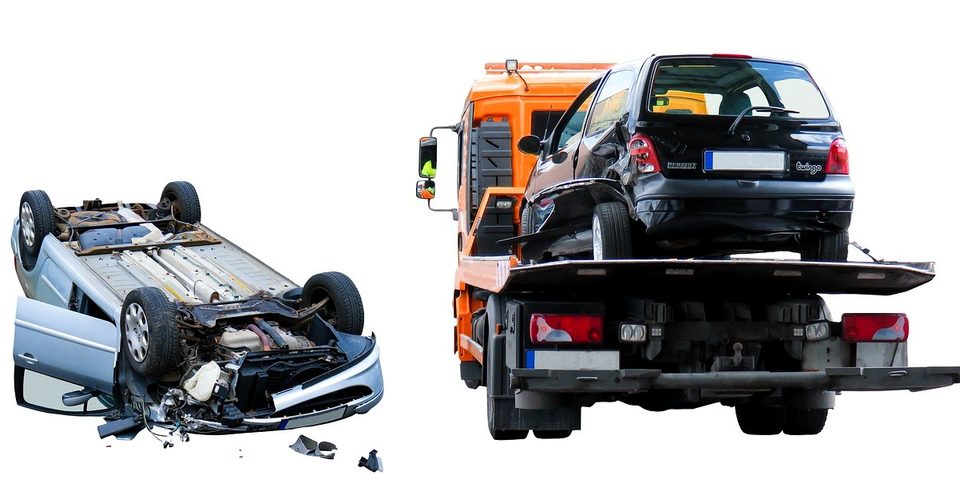
Basic Coverage of Shared Car Insurance
Insurance for shared cars is usually arranged centrally by the platform or insurer, and users generally see an explanation of basic coverage when renting. However, basic coverage is not comprehensive coverage; it only covers the situations listed in the terms. It is therefore important to check which situations each item applies to and which are excluded. Understanding these limits gives you a general grasp of your risks before you drive.
Basic coverage generally includes the third-party liability required by law and damage to the vehicle in specific circumstances. Coverage amounts, eligible vehicle models and policy conditions may differ between platforms, so you cannot judge from the platform name or general impressions alone. Before each rental, confirm the coverage category of the vehicle you have chosen, and check the effective date and version of the terms so you do not rely on outdated information.
In addition, the period of insurance cover is usually tied to the rental period, running from pick-up until the vehicle is returned. If an accident occurs during the rental, whether coverage applies often depends on when and where it happened and whether you followed the platform's rules for use. Understanding the time frame and conditions of coverage is the first step to using shared car insurance correctly.
Third-Party Liability and Vehicle Damage
Third-party liability is one of the most basic forms of coverage in shared car insurance. It refers to the compensation the insurer must pay when the driver causes death, injury or property loss to others. This coverage is designed to protect the affected third parties, not the driver or the vehicle itself. Therefore, even if the vehicle itself suffers little damage, third-party liability may still apply if others suffer losses.
Vehicle damage usually refers to damage to the car itself caused by an accident, collision, fire or other insured event. Some policies cover repair costs, but there may be caps or exceptions; for example, damage caused by drink driving, breaking traffic rules or unauthorised use may not be covered. If you are unsure about the scope of vehicle damage coverage before driving, check the terms carefully or ask the platform for clarification.
Note that third-party liability and vehicle damage are separate forms of coverage, each with its own terms and limits. In an accident, both may be involved, or only one. Do not assume that having one form of coverage means you have full protection. Checking the scope of each one separately will help you understand, after an accident, which costs insurance will pay and which you must bear yourself.
- Third-party liability mainly covers personal injury and property loss suffered by others
- Vehicle damage cover usually applies to damage to the car itself in an insured event
- The two types of cover have separate terms and should not be confused
- Coverage may vary by vehicle model, region or platform
How Excess Works
The excess is the portion of a claim that the user must pay themselves, with the insurer paying the rest. For example, if the repair cost of an accident is higher than the excess, the insurer will pay out after deducting it; if the repair cost is lower than the excess, the user may have to bear the whole amount. The excess directly affects your actual cost in an accident, so it should not be overlooked.
How the excess (deductible) is calculated varies by platform and insurance terms. Some use a fixed amount, while others may set it by incident type or vehicle model. Some terms also distinguish between a standard excess and additional excess that applies in specific situations, such as night-time driving, illegal parking, or losses arising from breaching vehicle-use rules. If you are unsure how the excess is calculated before driving, read the definitions section of the terms or confirm directly with the platform to avoid disputes later.
Once you understand how the excess works, you can assess your risk more sensibly. A higher excess means you bear a larger out-of-pocket cost even when insurance covers the loss, while a lower excess reduces your share after an incident, though the overall fees may differ. So when comparing car-sharing services, compare the excess arrangements as well as the rental price to get a fuller picture of the real cost of protection.
Scope of User Responsibility
The extent of your responsibility depends mainly on the policy terms and whether your use of the vehicle complies with them. Generally, drivers must hold a valid driving licence during the rental period and use the vehicle for the purpose stated in the contract. If a driver has an accident after drinking, under the influence of drugs, or while speeding, the insurer may refuse compensation or require the user to bear all or most of the loss. Knowing in which situations you would lose coverage is therefore essential before renting.
During the rental period, users are usually responsible for the day-to-day care and cleanliness of the vehicle. For example, you must not lend the car to unregistered persons or use it for illegal or commercial transport. If visible damage occurs and is not reported promptly, repair costs may fall on the user. Some platforms also require users to park the vehicle in a designated spot at the end of a trip and confirm that the doors are locked. These details may seem minor, but they directly affect whether a claim is approved.
Users should also watch out for illegal parking, late returns, and traffic fines. These costs are usually not covered by insurance, and you may have to pay them even if the vehicle itself is undamaged. Some platforms pass fines on to the registered user and add a handling fee. When reading the terms, pay particular attention to how such charges are calculated so you are not surprised by extra payments after returning the car.
- Confirm your driving licence meets platform requirements and is still valid
- Follow the permitted uses listed in the contract and avoid commercial transport
- Do not allow unauthorised persons to drive the vehicle
- If you notice damage, log it in the app immediately
- Observe parking rules and return deadlines to avoid extra charges
Steps to Take After an Accident
After an accident, first make sure everyone is safe and, where possible, call the police. Even if the incident seems minor, take photos of the scene, including the damaged parts of the vehicle, the road conditions, and the number plates of other vehicles involved. Since insurance claims usually require an incident report and supporting evidence, a more complete record will help the approval process later. Never reach a private agreement with the other party before getting instructions from the platform or insurer.
Next, report the incident to the platform as soon as possible following its guidelines, and provide the time, location, and a description of what happened. Most insurers have reporting deadlines, and a late report may lead to a rejected claim. If a third party is involved, keep their contact and insurance details, and avoid admitting liability without verification. If the vehicle cannot be driven, arrange towing or collection through the platform and keep all receipts.
Finally, cooperate with the investigation and follow up on the compensation process. The insurer may ask for additional documents, arrange an on-site inspection, or obtain repair quotes. Throughout, keeping a record of communications and copies of documents will help clarify liability and compensation amounts. If you disagree with the claim outcome, first raise the matter with the platform's customer service, then pursue the insurer's complaints procedure.
How to Check the Insurance Terms Before Driving
Checking the insurance terms before you drive is the most direct way to avoid future disputes. Read the main points first, including the scope of cover, exclusions, excess, and claim deadlines, and confirm that the definitions in the terms match your understanding. Many misunderstandings come from assuming what words like "comprehensive cover" or "third-party insurance" mean, so whenever a term is unclear, ask the platform for a written explanation rather than relying on verbal assurances.
While checking, pay particular attention to who is covered as a driver, the areas where the vehicle may be driven, and whether the same policy applies to all vehicle types. Some terms offer different levels of protection depending on rental duration, vehicle model, or purpose. You should also confirm whether the platform's insurance is underwritten by an independent insurer and under what circumstances additional cover can be requested. If the terms differ from the platform's marketing, the formal contract prevails.
Once you have checked the terms, it is advisable to record the key points on your phone or in a document so you can look them up quickly while driving. Before renting, you can also take screenshots of your policy number and the customer service contact details for use in an emergency. Building this habit can reduce panic after an accident and help the entire claims process run more smoothly.
Key takeaways
-
Scope of Responsibility Users must comply with driver eligibility and permitted-use rules; otherwise insurance compensation may be refused.
-
Handling Incidents After an accident, ensure safety, preserve evidence, and report to the platform and insurer within the deadline.
-
Terms Check Before driving, review the scope of cover, excess and exclusions, and request a written explanation for anything unclear.
This article provides general information only and does not constitute professional advice.